Skip to content
incident reporting Incident Management System

Incident Management System for commercial property security

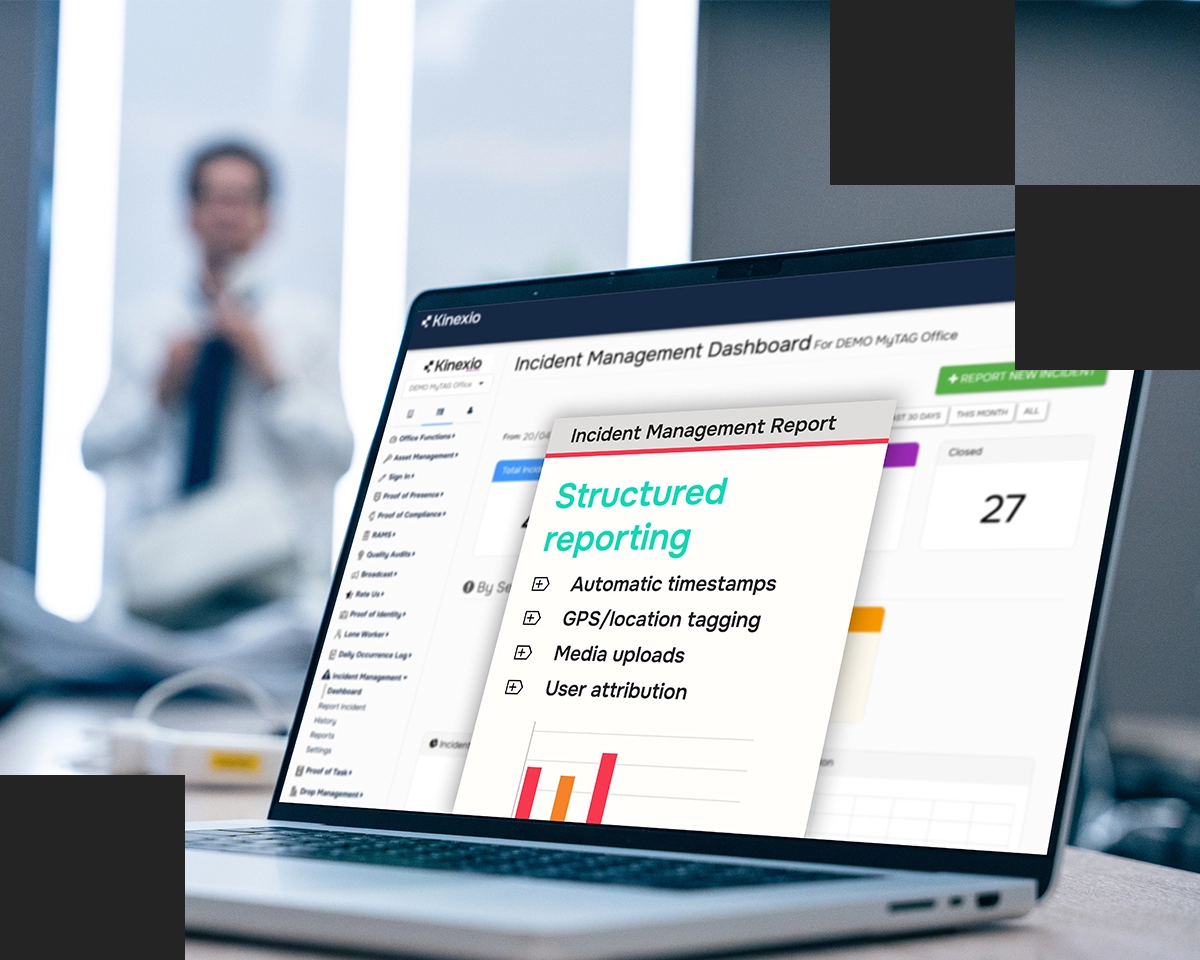
Kinexio’s Incident Management System helps security teams capture serious incidents in a structured, consistent and evidence-ready way, giving property teams, security providers and asset owners the detail they need when incidents need to be reviewed, escalated or defended. Perfect for full incident reporting.


Benefits of efficient incident management

asset management
Capture incidents with clarity

Ensure serious events are recorded consistently and in full. Structured, logic-based reporting guides teams to capture the right details at the time, reducing gaps, assumptions, and incomplete records.

Manage escalation with confidence

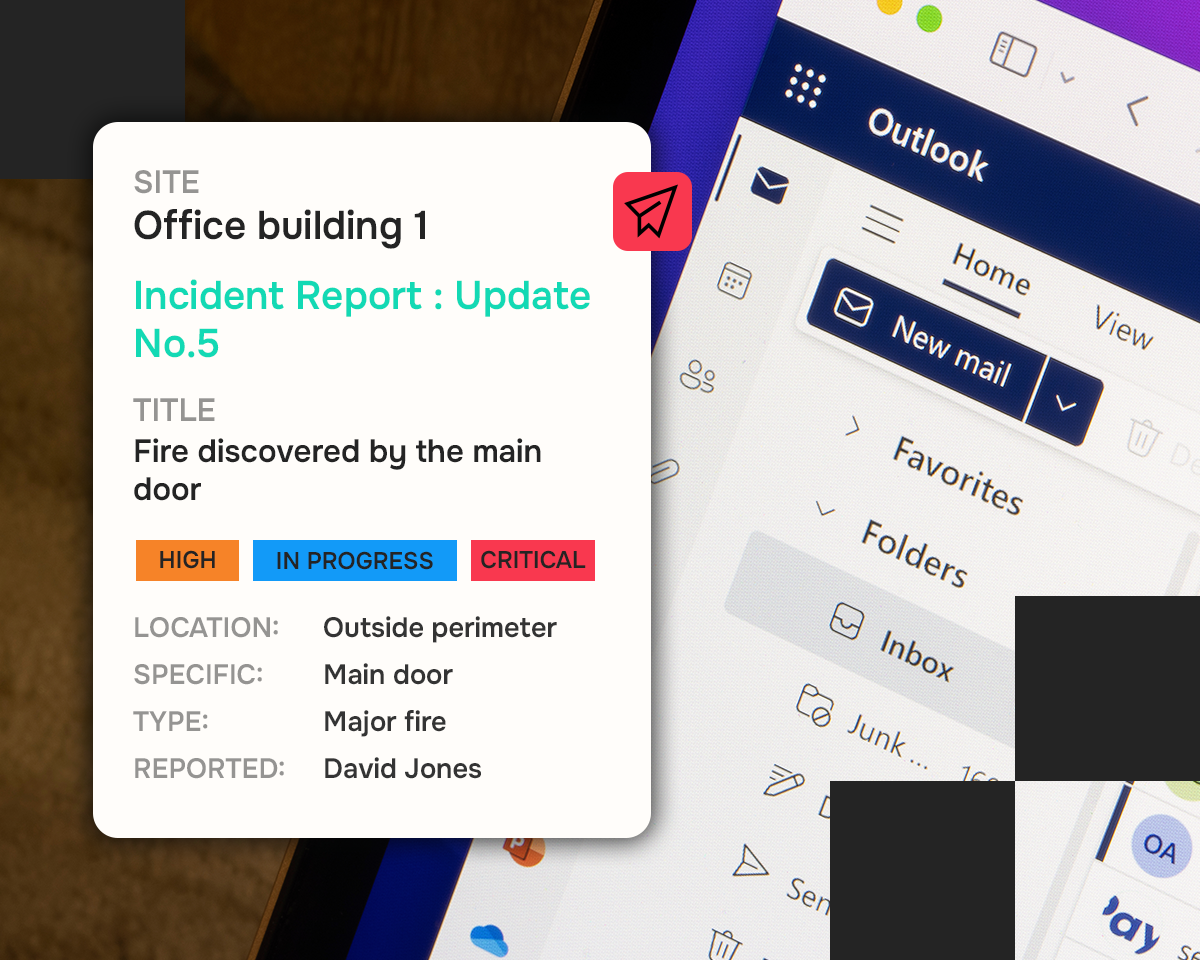
Give teams a clear process for handling higher-risk incidents. From initial report to escalation and review, ensure the right people have the right information when it matters most.

compliance
Build defensible records for security audits and investigations

Create reliable, time-stamped incident records that stand up to scrutiny. Support police reporting, insurance claims, compliance reviews, and stakeholder investigations with confidence.

Incident Management System

What is an Incident Management System?

An Incident Management System is software used to record, manage and review higher-risk events in a structured way.

Unlike a basic logbook or daily occurrence report, an IMS guides users through incident-specific questions, captures relevant evidence and creates a reliable record of what happened, when it happened and how it was handled.

For commercial properties, this may include:

warning
Antisocial behaviour

Capture and manage incidents involving disruptive or harmful behaviour to maintain a safe environment.

warning
Theft or attempted theft

Record details of theft-related incidents to support investigation and loss prevention.

warning
Assaults or threats

Document serious confrontations with structured reporting to support escalation and response.

warning
Medical incidents

Log health-related events accurately to ensure appropriate response and follow-up.

warning
Fire or evacuation events

Capture critical details during emergencies to support safety procedures and post-event review.

warning
Damage to property

Record incidents of damage to support accountability, repair processes, and insurance claims.

Key features of Kinexio Incident Management System

Custom forms
Q&A
Data capture

Escalation report

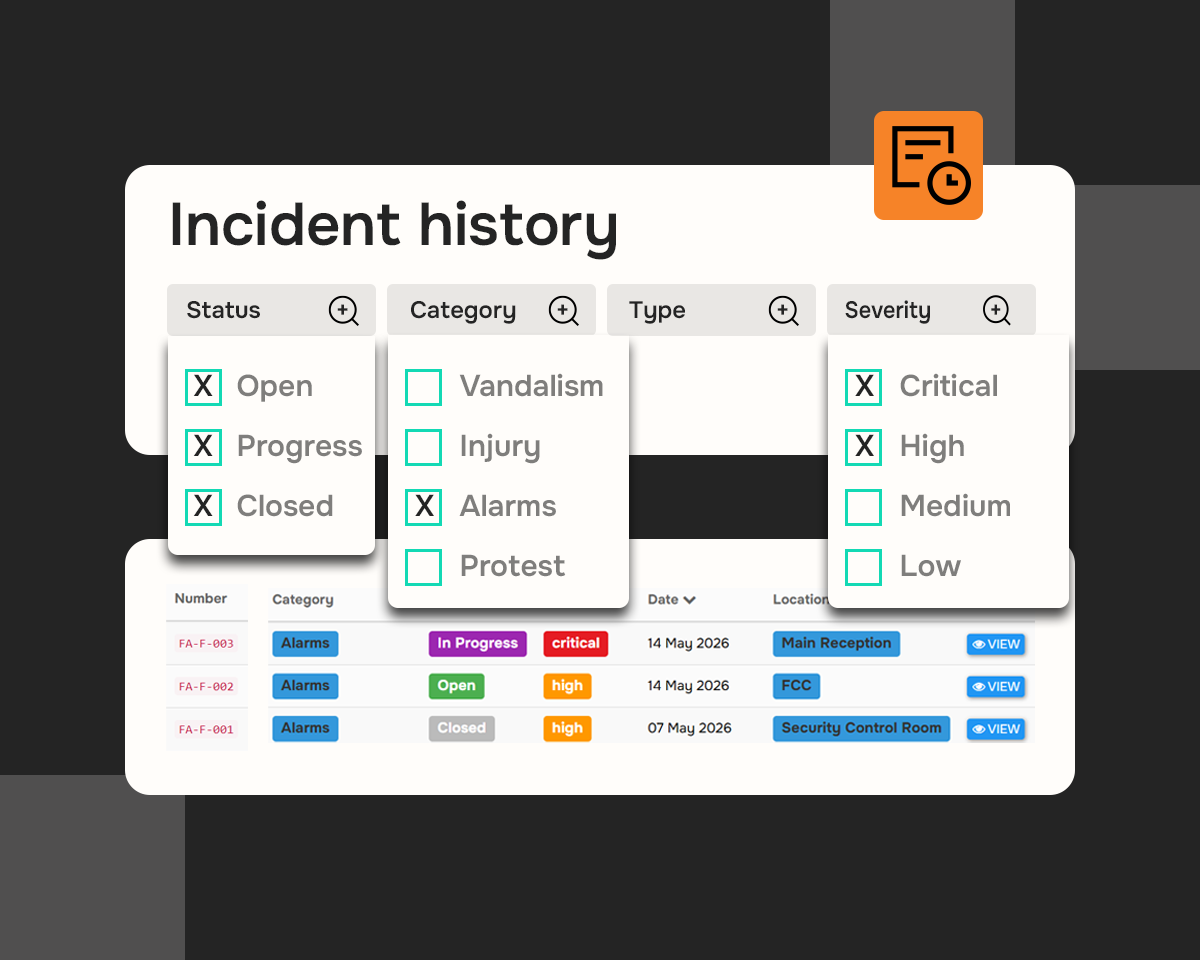
Incident audit

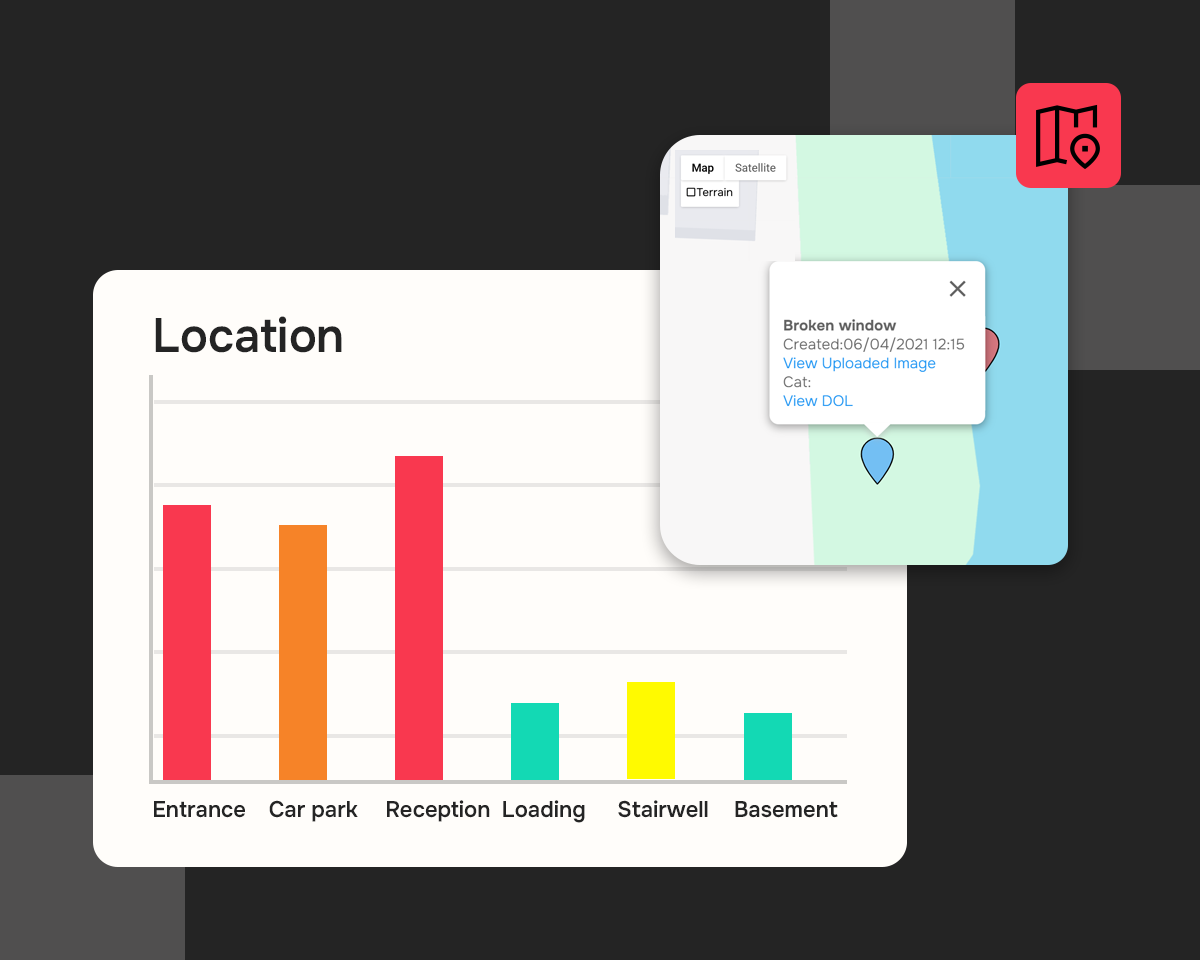
Location

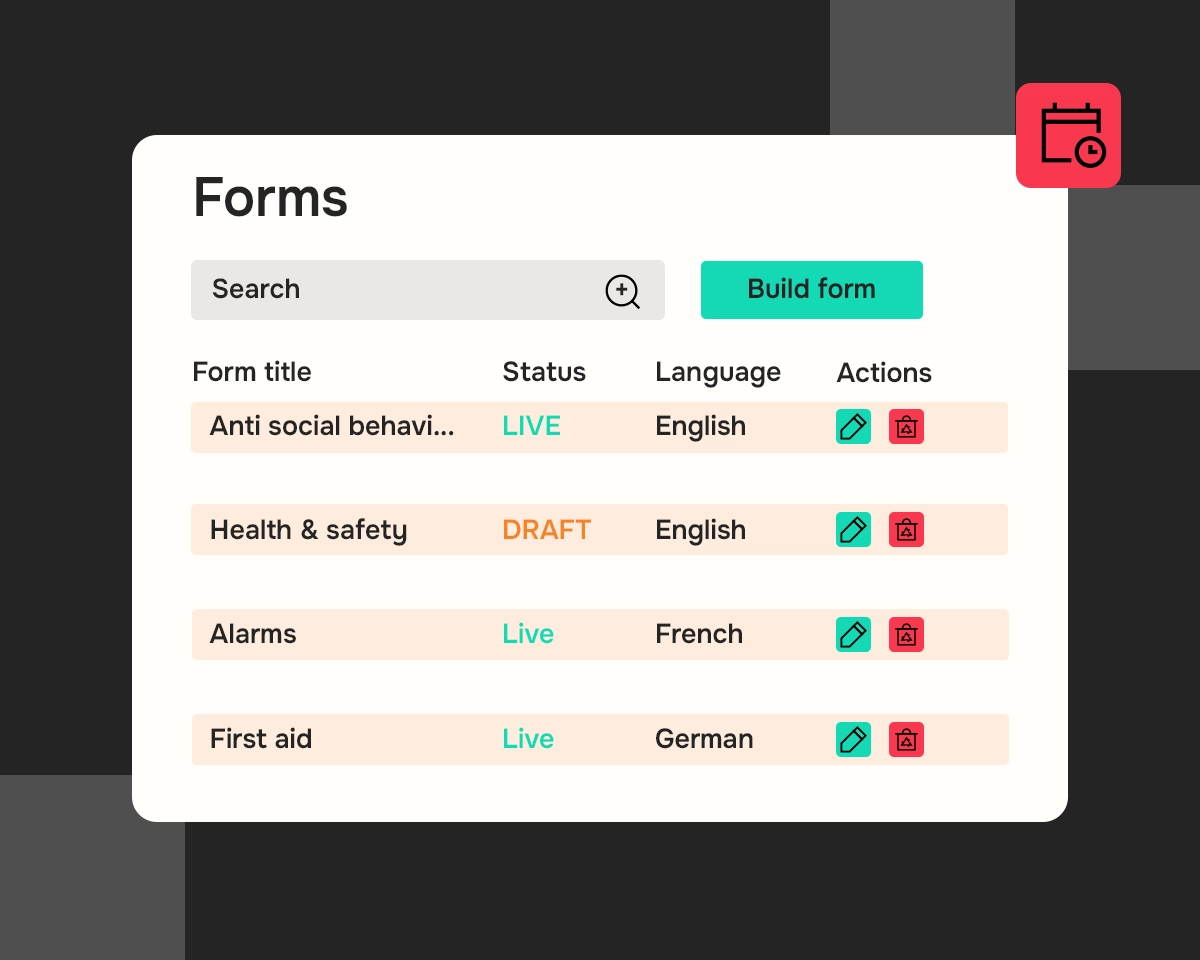
Custom incident-specific forms for different events

Create tailored, incident-specific forms that adapt based on category, severity, and workflow.

  • Dynamic form assignment based on incident type (e.g. Fire vs Medical vs Security)
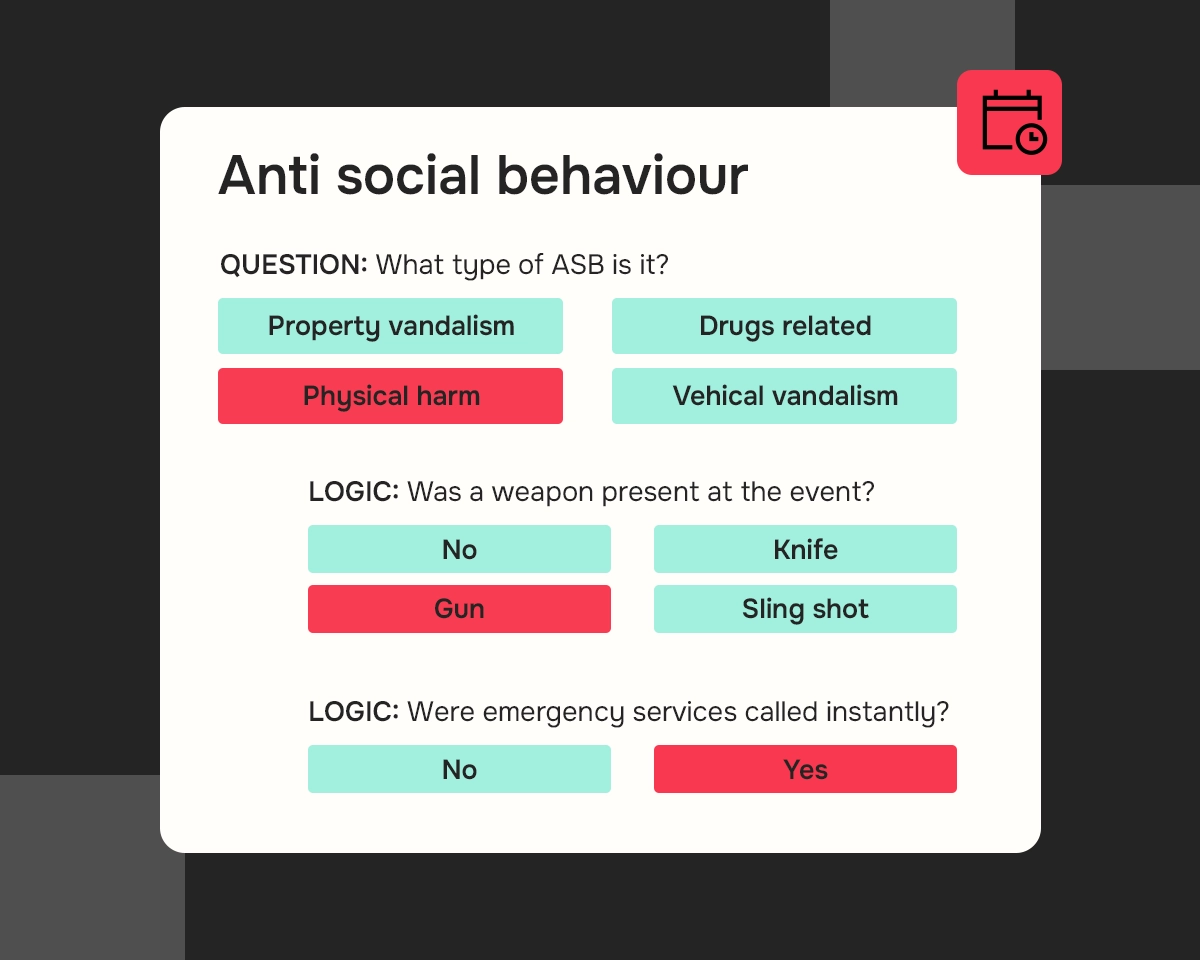
  • Conditional logic provides questions based on responses
  • Mandatory fields to enforce compliance and reporting standards
  • Ability to attach media (images, videos, files) as part of structured reporting
incident form data
serious incidents

Daily logs are not enough for serious incidents

Daily Occurrence Logs are essential for day-to-day security activity. They provide a chronological record of what has happened on site, from routine control room notes to low-risk operational updates.

But serious incidents need a different level of detail. The problem with relying only on a basic log is that important details can be missed:

Who was involved?

Identify all individuals connected to the incident, including staff, visitors, and third parties.

What happened before and after the event?

Capture the sequence of events to provide full context and understand how the situation developed.

Was anyone injured?

Record any injuries sustained to support medical response and reporting requirements.

Was there antisocial behaviour?

Note any disruptive or harmful behaviour that may have contributed to the incident.

Was evidence collected?

Confirm whether photos, witness statements, or other supporting evidence were gathered.

Could this later become a police report?

Assess whether the incident may require formal reporting or investigation at a later stage.

Incident Management System vs Daily Occurrence Log

Daily Occurrence Log Incident Management System
Records day-to-day activity Manages higher-risk events
Best for routine updates Best for incidents requiring detail
Chronological record Structured incident workflow
General entry fields Incident-specific questions
Useful for site visibility Useful for escalation, review and evidence
Captures what happened Captures what happened, who was involved & how it was handled
incident tracking

Structured workflows for better incident reporting

Kinexio IMS uses logic-based questioning to guide security teams through the correct reporting flow. For example, if the incident is categorised as antisocial behaviour involving drug use on site, the system can prompt the user to record details such as:

  • Number of individuals involved
  • Description of individuals
  • Behaviour observed
  • Location
  • Action taken and whether escalation was required
incidents records

Create a reliable record when incidents escalate

When an incident escalates, the quality of the record matters. If police, insurers, tenants, auditors or senior stakeholders need to review what happened, teams need more than a rough note in a spreadsheet or an editable document. Kinexio IMS helps create a clear, structured and reliable record at the point of capture.

  • Police reporting & insurance claims
  • Internal investigations and potfolio reporting
  • Tenant communications
  • Security contract reviews
  • Health and safety reviews

Teams using IMS to report incidents

Shopping centres

Capture and escalate high-footfall incidents such as theft, assaults, and customer safety events with clear, structured reporting.

Office buildings

Record workplace incidents, access issues, and health and safety events to support tenant wellbeing and compliance.

Mixed-use developments

Manage incidents across residential, retail and public spaces, from antisocial behaviour to safety incidents involving multiple stakeholder groups.

Security guarding companies

Standardise incident reporting across sites, ensuring teams capture consistent, audit-ready records for clients and contract performance.

Property management teams

Gain visibility into incidents across assets, supporting risk management, reporting, and stakeholder communication.

The Stats (2025)

See how our security operations software is increasing safety

Kinexio Secure, powered by MyTAG security, has helped to make properties more secure, across the globe.
0 m
Total NFC taps
0 m
Keys checked out
0 m
DOL’s logged (5.2% increase YoY)
0 k
Proof of compliance checks completed

Incident management FAQ

What are the 5 principles of an Incident Management System?

An effective Incident Management System is built on five key principles:

  1. consistency (structured reporting across all incidents),
  2. accuracy (capturing the right details at the time),
  3. accountability (clear ownership and escalation),
  4. traceability (a complete audit trail of actions taken), and
  5. visibility (giving stakeholders access to reliable, real-time information).

What are incident reporting systems?

Incident reporting systems are tools used to log events as they happen. However, they are typically limited to basic data capture.

An Incident Management System goes further; guiding users through structured workflows, capturing detailed context, and supporting escalation, investigation, and audit-ready reporting.

What is the difference between incident reporting and incident management?

Incident reporting focuses on recording that an event occurred, usually in a simple log format.

Incident management involves capturing detailed information, guiding response actions, and creating a structured record that can be reviewed, escalated, and used as evidence if needed.

What features should an incident management system include?

A robust Incident Management System should include structured incident forms, logic-based questioning, evidence capture, escalation workflows, role-based access, and a clear audit trail.

These features ensure incidents are recorded consistently and can be reviewed or defended when required.

Why do commercial property teams need incident management software?

Commercial properties involve multiple stakeholders and high footfall, increasing the likelihood and complexity of incidents.

Incident management software helps teams capture events accurately, manage escalation, reduce risk, and provide reliable records for audits, insurance claims, and investigations.