Key and asset management software provides structured processes for tracking critical equipment, maintaining accountability, and supporting compliance requirements across multiple sites.
Security operations depend on reliable access to equipment and controlled movement of keys. When assets cannot be located or handovers are not properly recorded, operational risk increases.
Asset tracking benefits
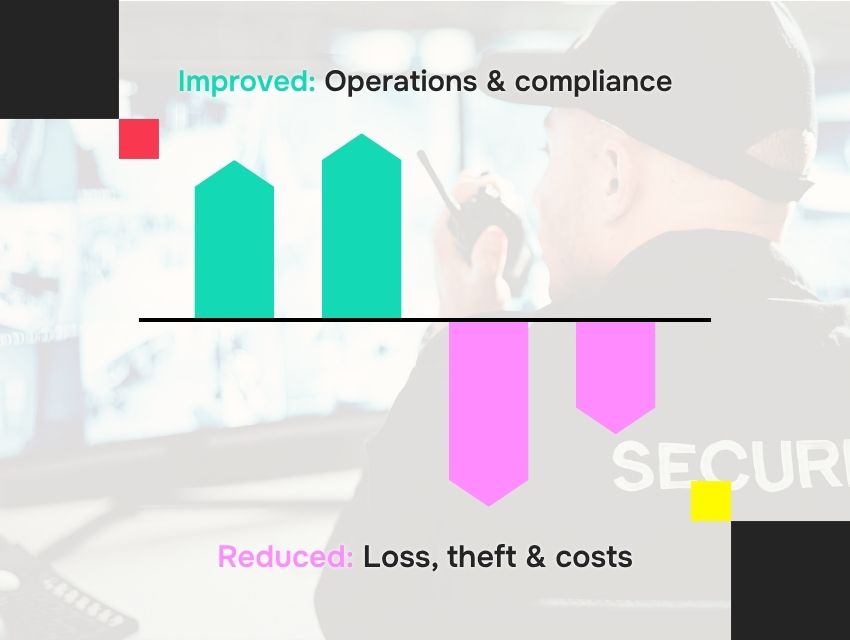
Reduce asset loss and replacement costs
Maintain clear accountability for keys, radios, body cameras, and critical equipment. Digital tracking helps prevent misplacement, misuse, and repeated replacement expenditure.
Maintain security operations
Ensure security teams have reliable access to the equipment they need. Real-time visibility reduces delays caused by missing assets during patrols and shift handovers.
Strengthen asset governance and audit readiness
Create structured digital records of asset allocation and movement. Support compliance reporting, contract performance reviews, and incident investigations.
How security key & asset management software works
Security key and asset management software is a digital solution designed to record the movement, allocation, and usage of operational equipment. These systems replace manual logs and fragmented processes with:
Real-time asset visibility
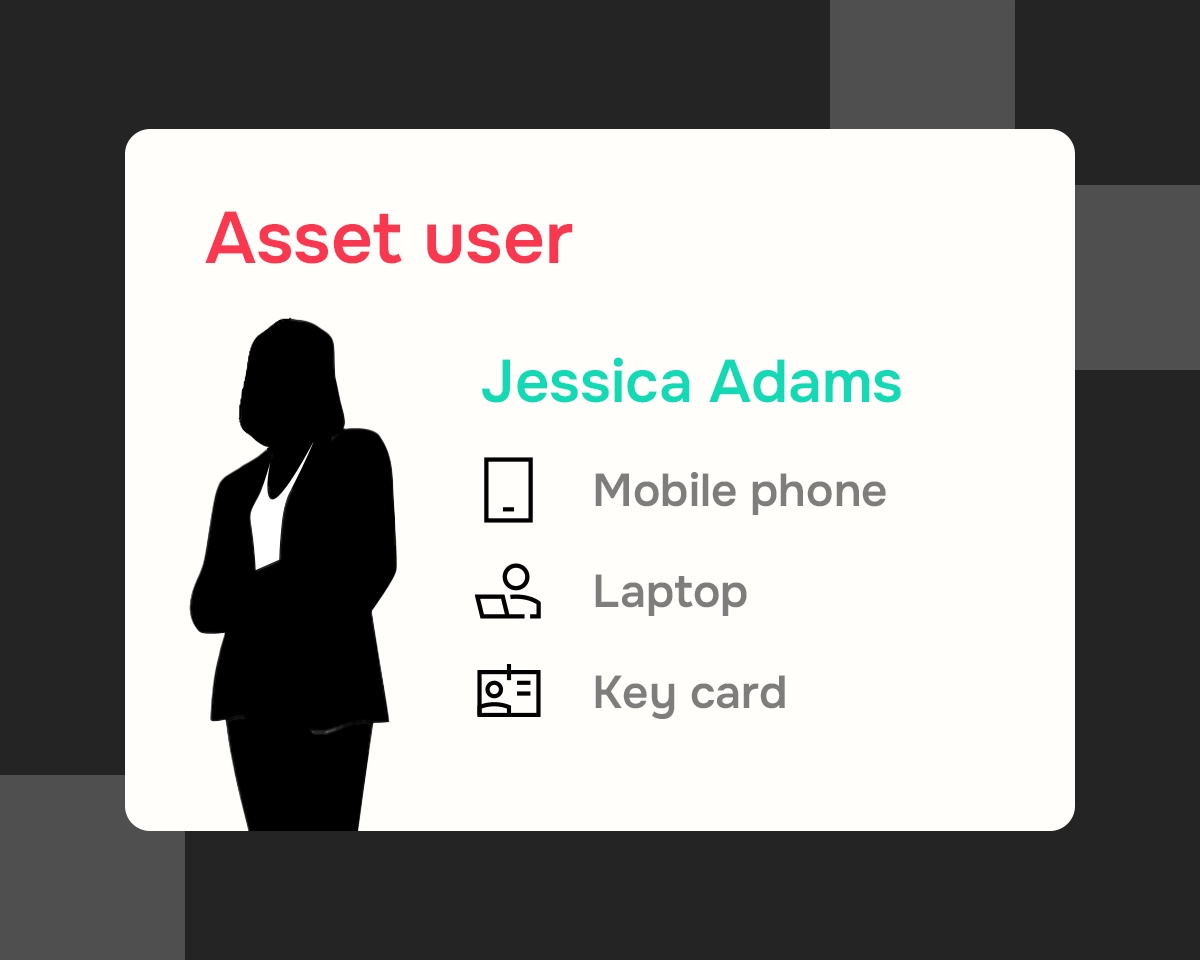
Named user accountability
Timestamped interaction records
Centralised reporting across multiple locations
This supports consistent operational standards and enables security managers to monitor
Asset Management system features
NFC tracking
Asset verification
Ops visibility
Asset audits
Compliance
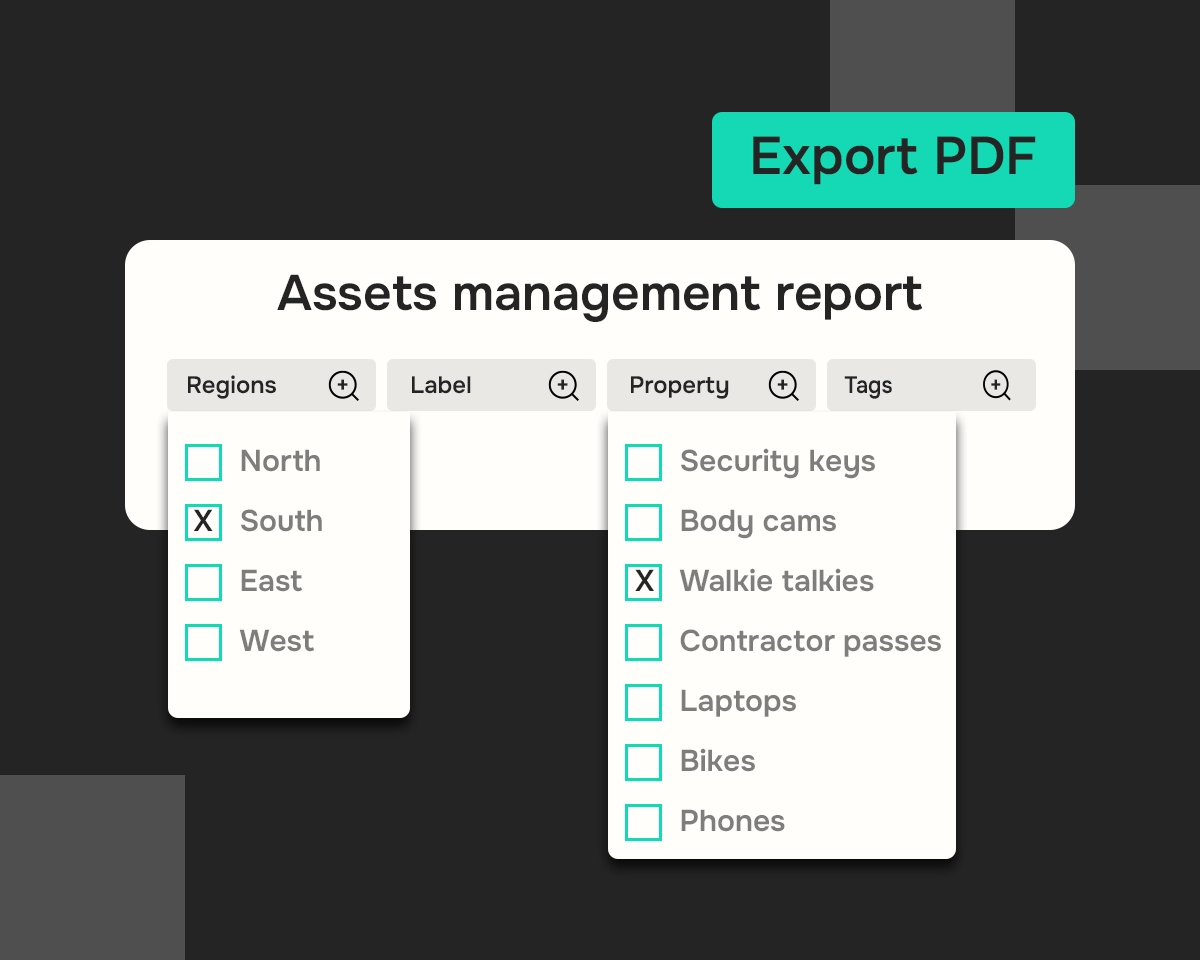
Reporting
NFC tracking
Assets tracked using trusted NFC tag technology
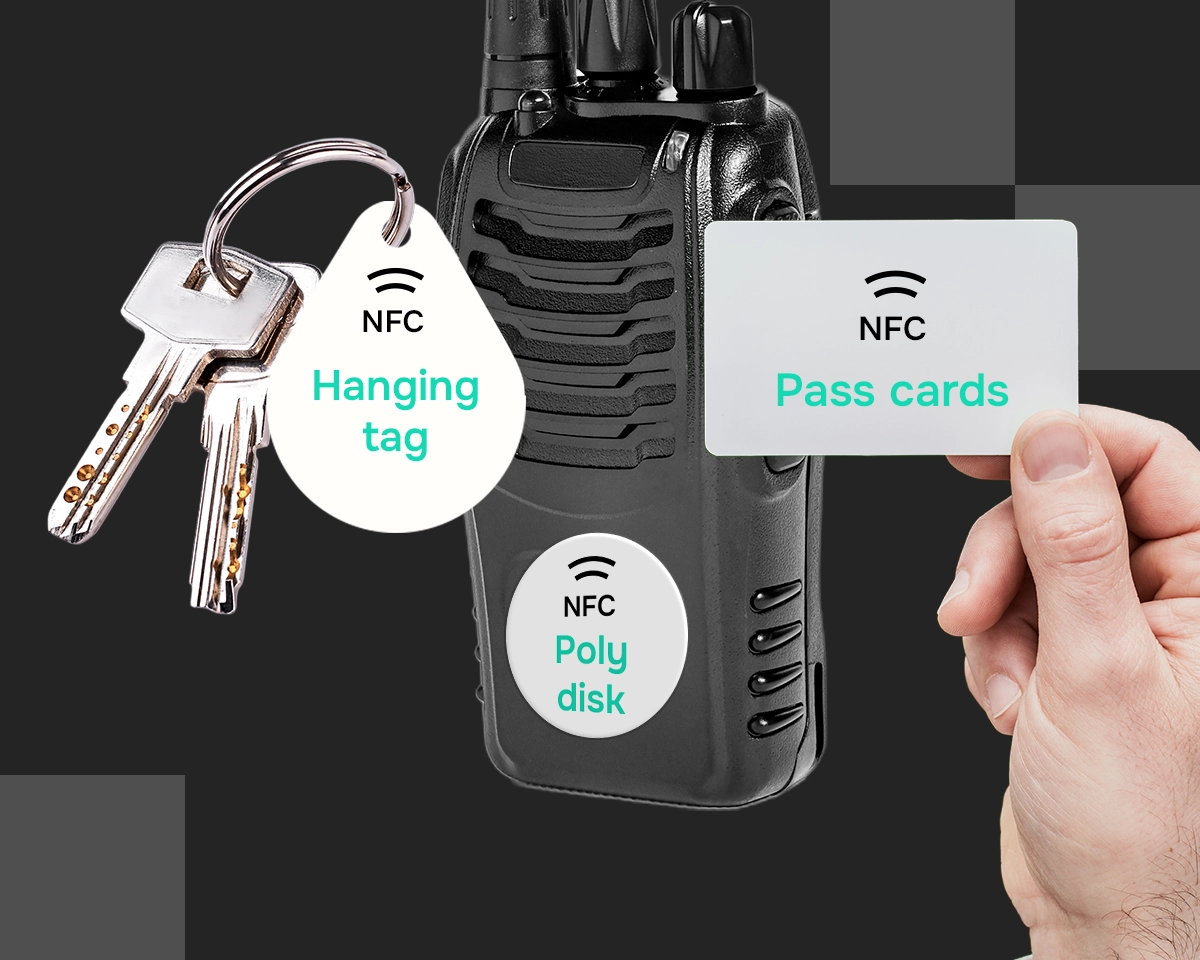
NFC tagging enables security teams to digitally identify and track physical assets during daily operations. Often referred to as key management software, but also used for radios, body cameras, access cards, and other equipment that can be tagged and scanned using a mobile device to record allocation, return, or inspection activity.
Track when keys, radios, body cameras, and other equipment are issued, returned, or checked during operational workflows. Structured digital verification helps reduce reliance on manual handovers and provides clear records of asset movement across shifts.
Ops visibility
Real-time asset visibility across multiple sites
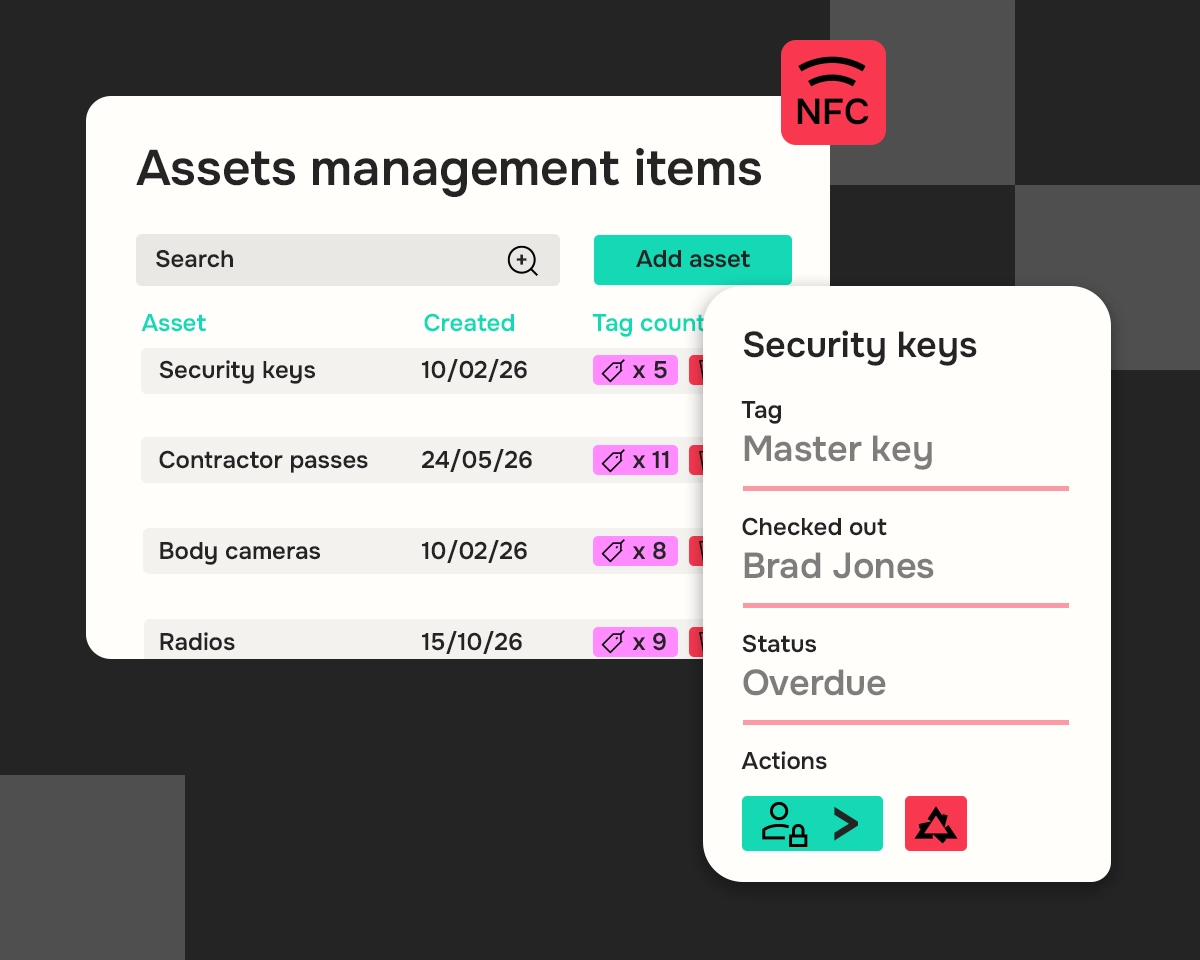
Maintain up-to-date oversight of asset availability across buildings, contracts, and geographic locations. Centralised visibility enables security managers to quickly identify missing equipment, resolve issues, and ensure teams have access to the tools they need.
Asset audits
Named accountability and structured asset audit trails
Create reliable records showing who interacted with an asset, when the interaction occurred, and in what context. This supports incident investigations, contract performance reviews, and compliance reporting, while improving operational governance.
Compliance
Supports guard patrol and compliance workflows
Manage asset allocation alongside patrol activity, inspections, and incident reporting within a single operational system. This reduces duplicated administration and ensures asset tracking becomes part of routine site activity rather than a separate process.
Reporting
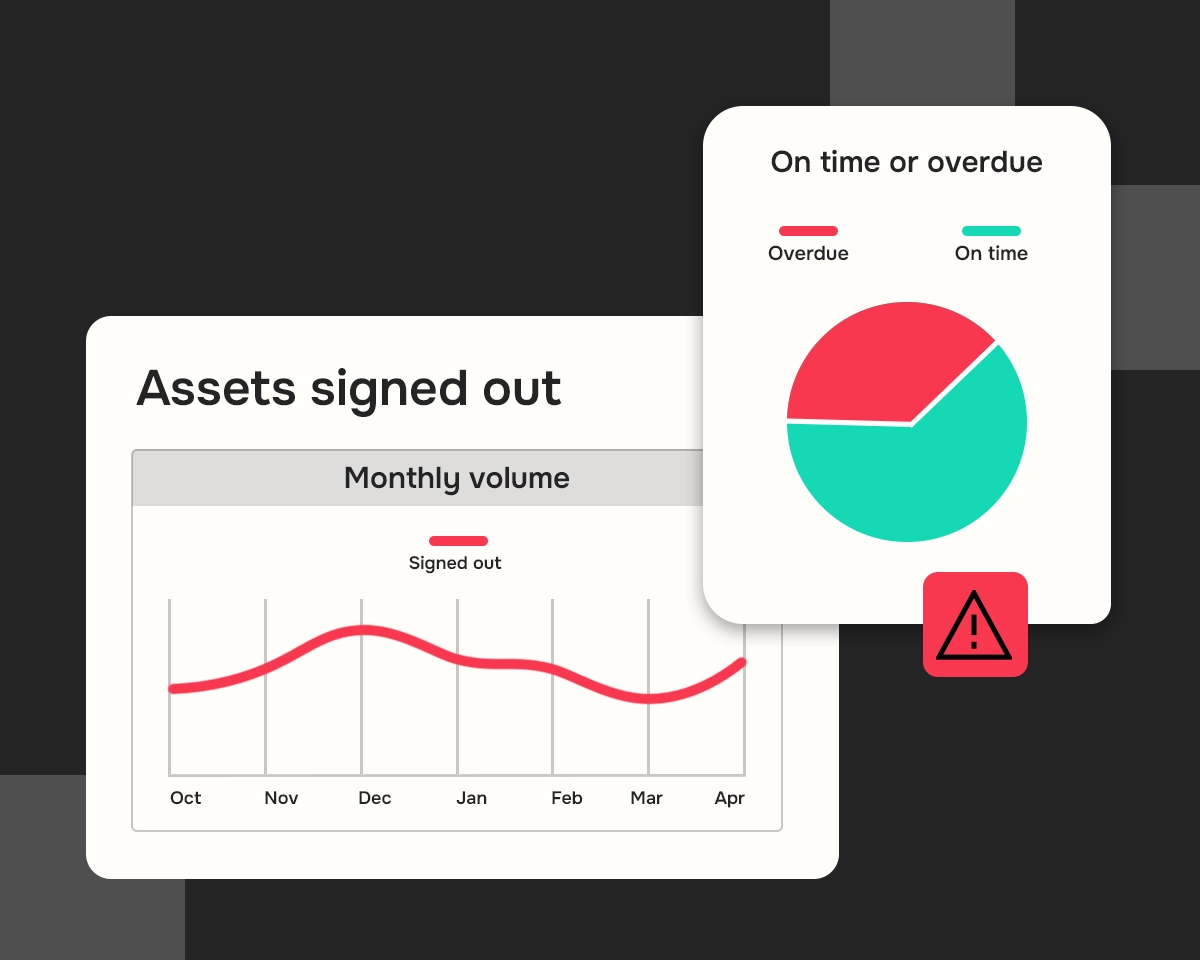
Security asset reporting and operational insights
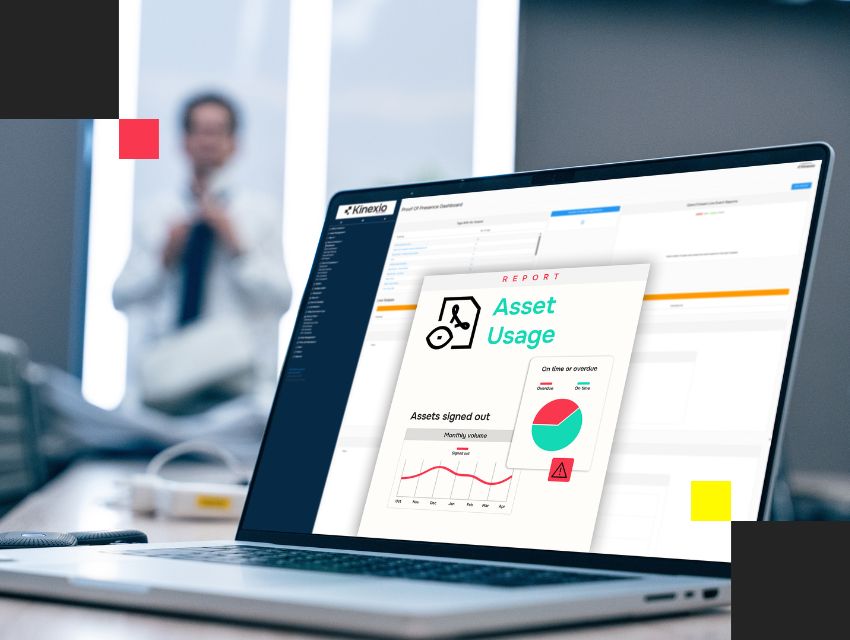
Generate audit-ready reports that provide visibility into asset usage patterns, loss trends, and operational performance. These insights help organisations make informed decisions about equipment allocation, training needs, and risk management strategies.
Operational risks of lost or untracked security assets
Security teams manage a wide range of equipment that must be available at the right time and in the right condition. Without clear tracking procedures, organisations may experience:
Delays in patrol activity due to missing equipment
Increased costs from repeated asset replacement
Exposure to unauthorised access due to lost keys
Challenges preparing for compliance audits
Reduced confidence from clients and stakeholders
How digital asset tracking supports security operations
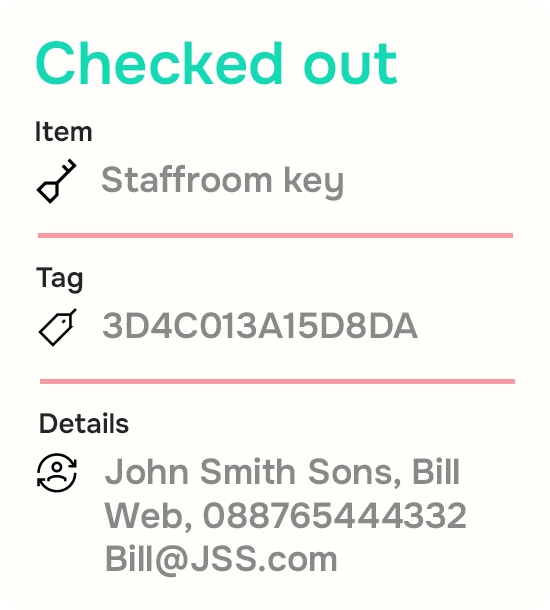
Modern asset tracking solutions use mobile technology and digital identifiers such as NFC tags to record interactions. When a NFC asset is checked out, the system captures:
The identity of the user
The time and date of interaction
Relevant operational context
This creates a verifiable chain of custody, improving oversight and supporting investigation or audit processes when required.
Assets commonly tracked by security teams
Master keys and restricted access keys
Maintaining oversight of building access points is essential for safety and risk management.
Two-way radios and communication devices
Ensuring patrol teams remain connected supports effective incident response.
Body cameras and lone worker devices
Tracking these assets helps support staff safety and evidential reporting.
Contractor access cards and temporary passes
Managing short-term access permissions reduces exposure to security breaches.
Mobile devices and operational equipment
Tracking company-issued devices helps reduce loss and maintain service performance.
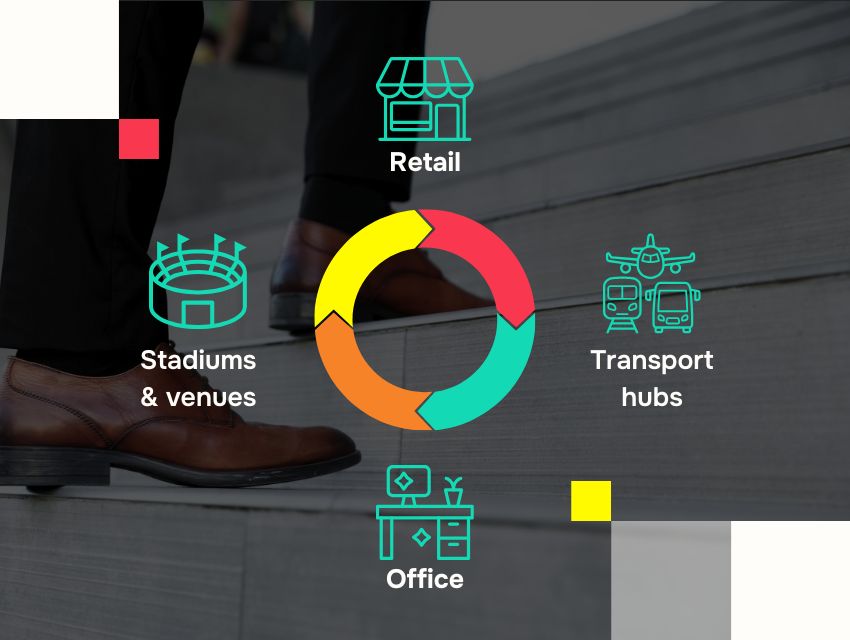
Security key and asset management software is deployed across a range of commercial environments, including:
Retail and shopping centre security contracts
Office and mixed-use developments
Construction and vacant property protection
Logistics and distribution facilities
Healthcare and education campuses
Limitations of manual key and asset tracking methods
Traditional tracking approaches often lack reliability and transparency.
Paper registers may be incomplete or difficult to interpret. Spreadsheets rely on manual updates and provide limited real-time insight. Informal handovers can result in unclear accountability.
These limitations increase the risk of asset loss, operational disruption, and compliance challenges. Digital solutions provide structured processes and clear auditability.