A wider European debate around security preparedness
The timing is significant.
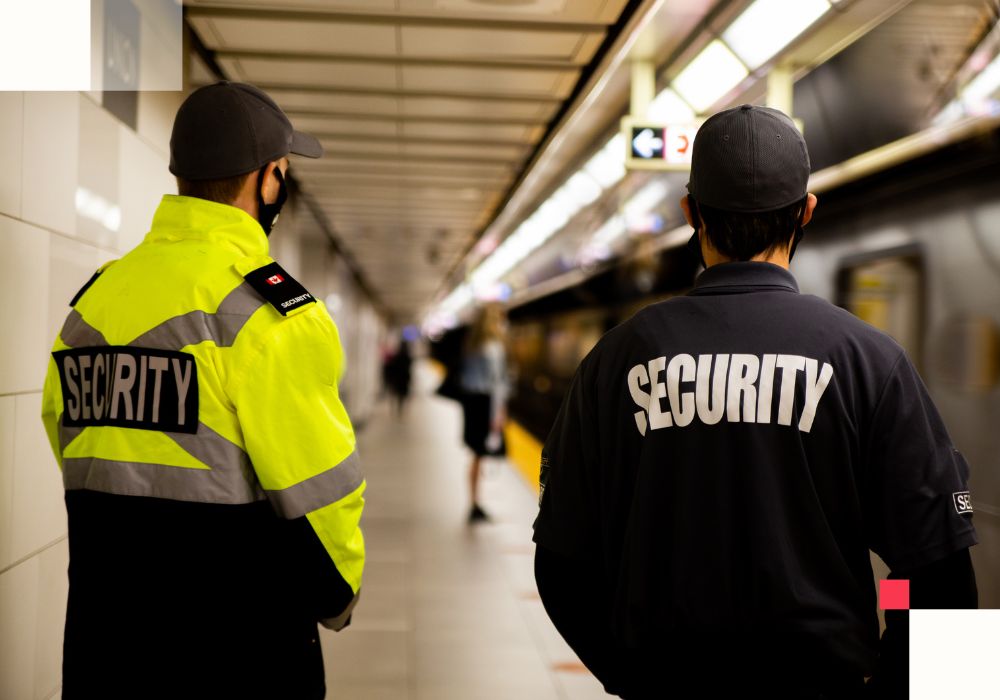
Just days before the French unrest, representatives of national private-security associations from across Europe met in Malta for the annual General Assembly of the Confederation of European Security Services (CoESS).
The organisation represents a sector encompassing around two million private security professionals across Europe.
Its 15–16 October meeting focused heavily on resilience, public-private cooperation and Europe’s ability to respond to future security threats.
According to CoESS, stronger operational partnerships, improved information exchange and better cooperation between public authorities and private security organisations are required if Europe is to be prepared before the next crisis occurs.
At the Critical Infrastructure Protection and Resilience Europe conference in Brussels on 21 October, CoESS brought together representatives from the European Commission and private security industry to discuss Europe’s preparedness.
The organisation said discussions had
| identified continuing gaps in preparedness across Europe, arguing that information-sharing arrangements, joint exercises and operational frameworks need to be established and tested before incidents occur.
The workshop concerned critical infrastructure rather than the French protests specifically. But its central argument landed in the same week that businesses across France were urgently increasing private guarding and physical security in response to civil disorder.